![AquaWholesale_Logo_Reverse[90]](https://info.aqua-wholesale.com/hs-fs/hubfs/AquaWholesale_Logo_Reverse%5B90%5D.png?width=1923&height=1348&name=AquaWholesale_Logo_Reverse%5B90%5D.png "AquaWholesale_Logo_Reverse[90]")
Ion Exchange Resin
Quality ion exchange resin is crucial for system performance.
It all starts here.
Ion exchange resin is a highly effective media used to remove dissolved contaminants from water by exchanging unwanted ions for more desirable ones. It plays a critical role in water softening, demineralization, purification, and specialty treatment applications across residential, commercial, and industrial systems. Available in a variety of chemistries and structures, ion exchange resins are selected based on the specific water quality challenges and performance requirements of each application.
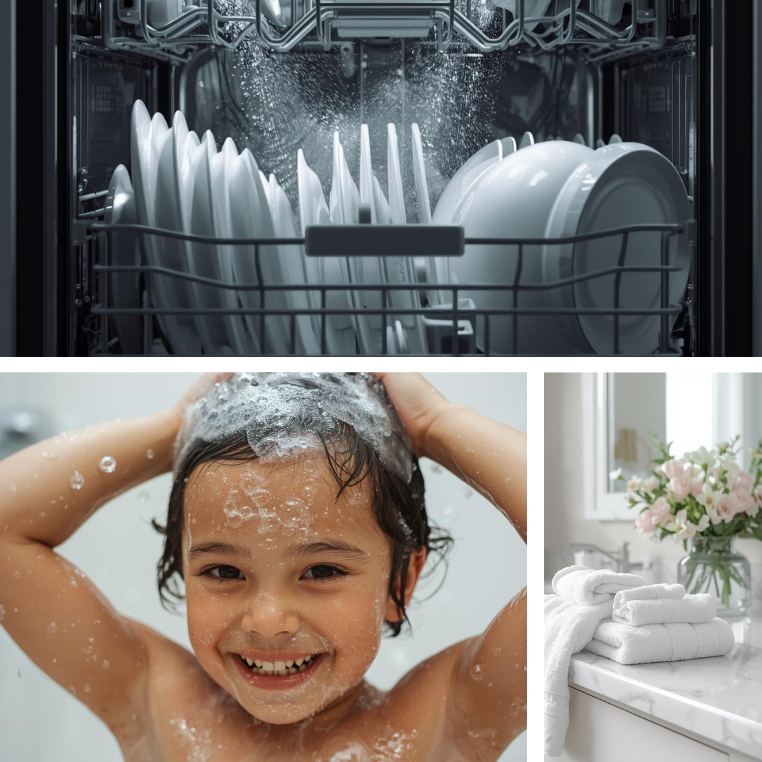
Softening Resin
Softening cation resin is designed to remove hardness minerals such as calcium and magnesium from water, replacing them with sodium or hydrogen ions to prevent scale buildup and improve system efficiency. Commonly used in residential softeners, commercial water treatment, and industrial process systems, these resins provide reliable hardness reduction and extended equipment life.
Ask about the CG line.
Non-Solvent Cation Resin
Non-solvent cation resin offers the same effective hardness removal as traditional softening resin but is manufactured without the use of solvent-based processes. This results in cleaner production, reduced odor, and a more environmentally responsible solution without compromising performance. It is ideal for applications where sustainability, product purity, and high-quality manufacturing standards are a priority.
Learn more about the CN line.
.jpg?width=1000&height=778&name=CN8%20(1).jpg)
| Resin | Description | Ionic Form | Capacity (meq/ml) |
Moisture Retention (%) | Ship Weight (lbs/cu.ft.) |
|---|---|---|---|---|---|
|
CGS |
Softening resin
|
Na
|
1.9
|
40 to 52
|
50
|
|
CNS |
Non-solvent softening resin
|
Na
|
1.8
|
40 to 52
|
50
|
|
CN8 |
Non-solvent softening resin, 8% crosslinked
|
Na
|
2.0
|
42 to 49
|
51
|
|
CN8-F |
Non-solvent fine mesh softening resin
|
Na
|
2.0
|
42 to 52
|
51
|
|
CN10 |
Non-solvent softening resin, 10% crosslinked
|
Na
|
2.2
|
39 to 45
|
53
|
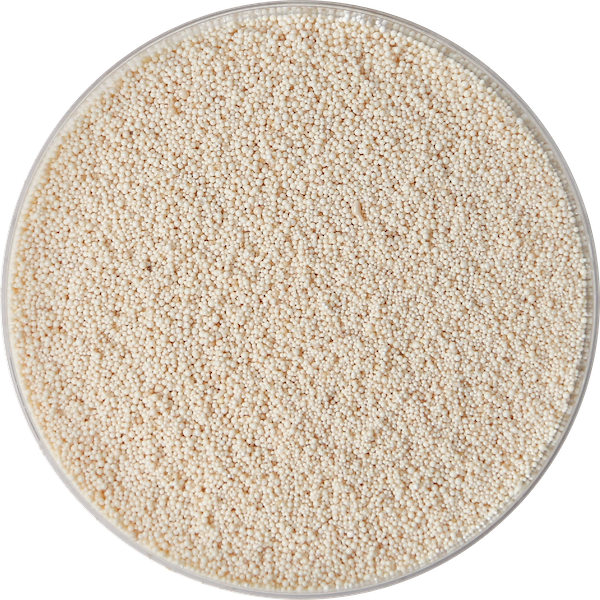
Macroporous Anion Resin
Macroporous anion resin is engineered for the removal of negatively charged contaminants such as nitrates, sulfates, organics, and other dissolved impurities. Its durable pore structure provides excellent resistance to fouling and oxidation, making it especially effective in challenging water conditions. These resins are commonly used in dealkalization, demineralization, and industrial process water treatment systems.
Specialty Selective Resin
Specialty contaminant selective resins are formulated to target specific problem contaminants such as PFAS, arsenic, perchlorate, nitrates, and heavy metals. Designed for high selectivity and efficiency, these resins provide focused treatment where standard ion exchange solutions may not be sufficient. They are often used in municipal, industrial, and environmental remediation applications requiring precise contaminant removal.
| Resin | Description | Ionic Form | Capacity (meq/ml) |
Moisture Retention (%) | Ship Weight (lbs/cu.ft.) |
|---|---|---|---|---|---|
|
SBACR-MP-HP |
Macroporous strong base anion resin
|
Cl
|
0.8
|
63 to 70
|
44
|
|
SIR-110-HP |
PFAS selective resin
|
Cl
|
0.8
|
38 to 50
|
41
|
|
ASM-10-HP |
Arsenic selective resin
|
Cl
|
1.4
|
35 to 50
|
49
|
Mixed Bed Resin
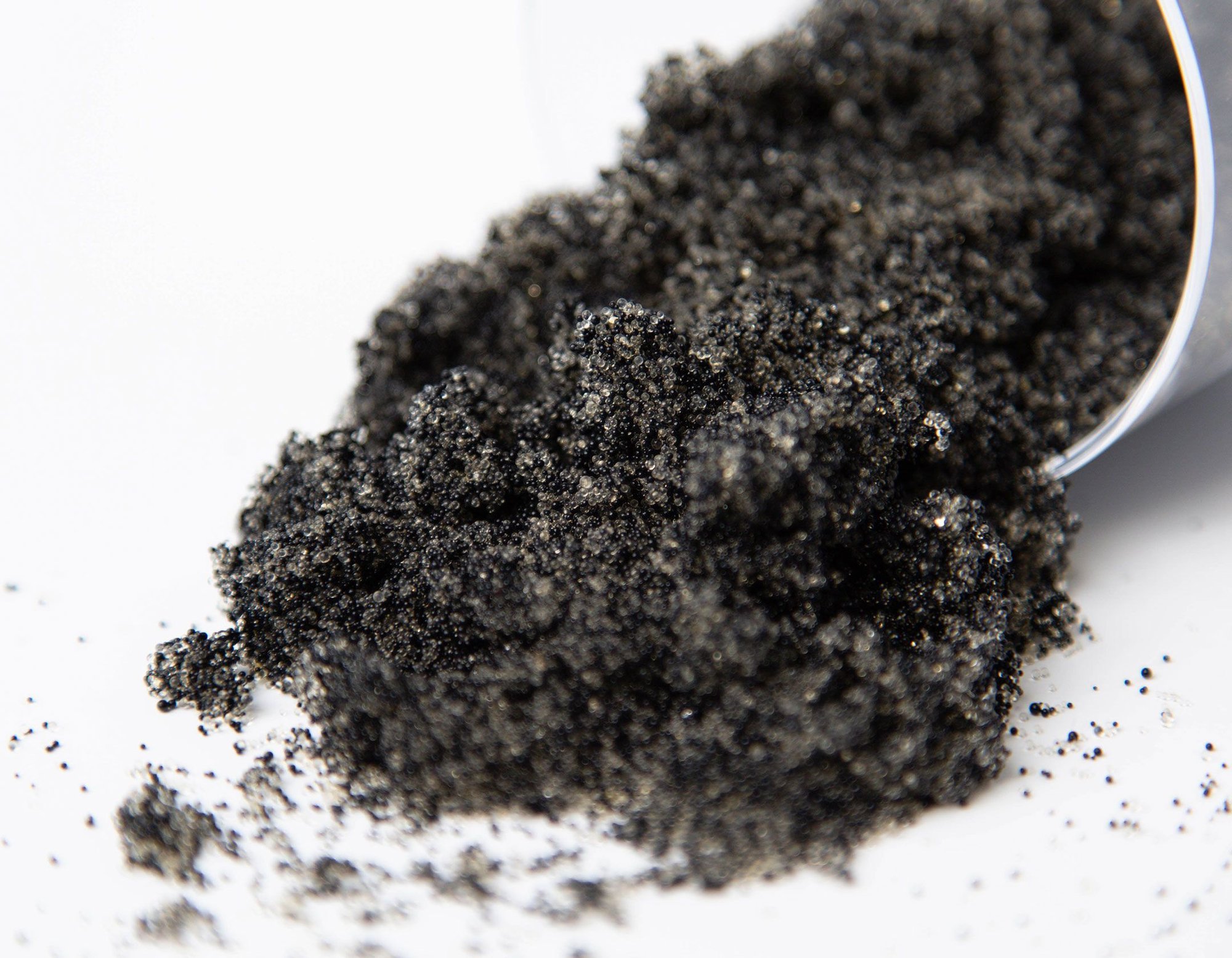
Mixed bed resin combines cation and anion exchange resins in a single media blend to produce high-purity water by removing both positively and negatively charged ions simultaneously. Commonly used in polishing applications, laboratory systems, and high-purity industrial processes, mixed bed resin delivers exceptionally low conductivity and superior water quality for critical operations.
Learn more about the MBD line.
| Resin | Description | Ionic Form | Capacity (meq/ml) |
Moisture Retention (%) | Ship Weight (lbs/cu.ft.) |
|---|---|---|---|---|---|
|
MBD-15 |
Mixed bed resin for applications that require higher operating capacity.
|
H/OH
|
0.6
|
53 to 65
|
43
|
|
MBD-15-LTOC |
For applications requiring TOC of no more than more than 10 ppb
|
H/OH
|
0.6
|
53 to 65
|
43
|
|
MBD-15-SC |
For applications requiring TOC of no more than more than 50 ppb
|
H/OH
|
0.6
|
53 to 65
|
43
|
|
MBD-30 |
Color-indicating mixed bed.
|
H/OH
|
0.6
|
53 to 65
|
43
|